

ABOUT
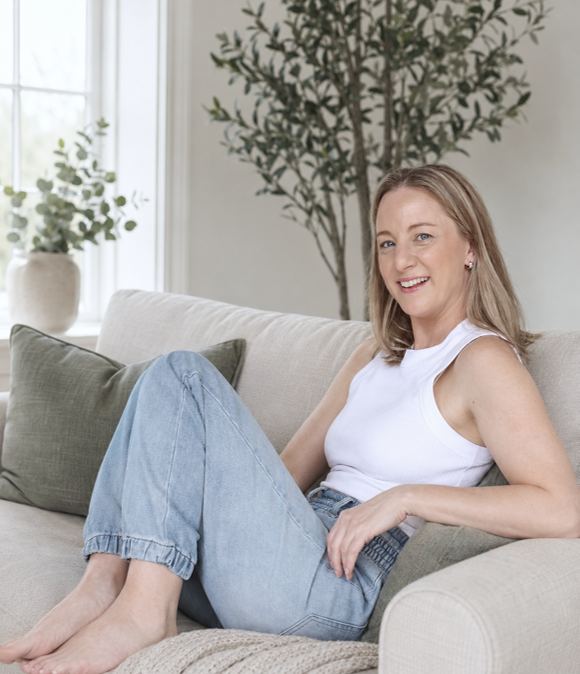
I’m Pauline Carr. I’m an educator and learning designer, and I was diagnosed with ADHD in adulthood.
After being diagnosed with ADHD, I did what I suspect many people do: I started reading. Books, research, articles, podcasts, clinical information and other people's stories. There was an enormous amount to learn, and much of it was incredibly helpful.
And yet I kept coming back to a different question:
What does all of this actually mean for the life I've already lived?
Because learning that you have ADHD and understanding how ADHD may have shaped your life are not quite the same thing.
A diagnosis can give you a name for something that has always been there and offer an explanation for experiences that never quite made sense. But it can also send you looking back through decades of your life with an entirely different set of questions.
Why did some things always seem to take so much effort? Why could I do something brilliantly one day and struggle with it the next? What had I learned to do to compensate without ever realising I was compensating? Which things had I come to believe about myself because I didn't have another explanation?
And perhaps the hardest question of all:
What do I do with this understanding now?
That was the beginning of Through the Disconnect.
I knew how I wanted the learning to feel
Long before I knew I had ADHD, I'd spent my career thinking about how people learn.
I'm an instructional designer and learning professional, and for more than a decade I've designed education for large organisations across Australia. Much of that work has involved taking complex or sensitive subjects and finding ways to make them clear, meaningful and manageable for the people learning them.
It means I've spent a lot of time thinking about what someone actually needs to understand, what order will help it make sense, and how we can turn information into something that connects with a person's real life.
When I began learning about ADHD, those questions followed me.
I could see that there was already excellent information available. Brilliant researchers, clinicians, authors and advocates were doing important work, and there was no shortage of material to read, watch or listen to.
But I also knew from my work that having access to information isn't the same as having a learning experience designed to help you make sense of it.
And when the subject you're learning about is yourself, that difference becomes especially important.
Through the Disconnect grew from bringing those two parts of my life together: my experience designing learning and my experience trying to understand ADHD from the inside.
Education that gives you somewhere to put what you're learning
I didn't want to create another place filled with ADHD facts, nor did I want to move immediately from diagnosis to strategies for becoming more organised, productive or efficient.
I wanted to create the kind of education I had been looking for myself: something structured enough that people weren't left assembling their understanding from hundreds of disconnected pieces, evidence-informed enough that they could trust what they were learning, and human enough to acknowledge that understanding ADHD can change the way you see much more than attention or organisation.
That philosophy now sits underneath everything we create at Through the Disconnect:
Recognition before explanation. Understanding before change. Compassion before strategy.
Research matters, and so does lived experience. Clear explanations matter, but so does having the opportunity to recognise what those explanations might mean within your own life. Because sometimes the most important part of learning something new about ADHD isn't the information itself.
It's the moment you recognise yourself within it.
Because sometimes the most important part of learning something new about ADHD isn't the information itself. It's the moment you recognise yourself within it.
I'm not here to tell you who you are
This matters to me.
I'm an educator with lived experience of ADHD. I'm not your clinician, and my experience isn't a template for yours.
There are things in these programs that I recognise deeply, and there will be things you experience very differently. ADHD doesn't look the same in every person, and receiving the same diagnosis doesn't mean we've lived the same life.
My role isn't to give you an interpretation of yours. It's to give you good information, thoughtful questions and enough context to begin forming your own understanding.
Sometimes that might mean recognising ADHD in an experience you've judged harshly for years. Sometimes it might mean realising ADHD doesn't explain something you assumed it did. And sometimes it might simply give you better words for something you've always known about yourself but struggled to describe.
You don't need to arrive at the same conclusions I did.
I want you to have enough understanding to reach your own.
That position also reflects the role you've established for Pauline throughout the wider Through the Disconnect work: lived experience offers companionship rather than authority, while the learner remains at the centre of their own meaning-making.
You don't need to arrive at the same conclusions I did. I want you to have enough understanding to reach your own.
Why Through the Disconnect
The name reflects something I began to understand after diagnosis.
Experiences that had once seemed unrelated began to connect. Things I'd thought of as separate quirks, difficulties, contradictions or personal failings started to look different when they were viewed together.
ADHD didn't suddenly explain everything about me, nor did I want it to. But it provided a thread that helped many previously disconnected experiences make more sense.
There was another kind of disconnection too. After years of adapting, masking, people-pleasing and trying to meet expectations, it can become difficult to know what you actually need, prefer or want beneath all that effort.
For me, understanding ADHD became about both: making sense of the pieces that had seemed disconnected, and gradually finding my way back to myself.
That's what Through the Disconnect means to me.
Not becoming someone new, but understanding the person who has been there all along.
A LITTLE MORE FORMALLY
Pauline Carr is the founder of Through the Disconnect, an Australian education and publishing company creating evidence-informed learning experiences for adults making sense of ADHD. Through the Disconnect is published by Pauline Carr Collective Pty Ltd (ABN 86 698 150 962).
She is an experienced instructional designer and learning professional who has spent more than a decade designing complex educational programs across corporate, community and mental health contexts.
Her work with Through the Disconnect brings together learning design, current ADHD research and lived experience to create psychoeducation that is clear, reflective and connected to everyday life.
At the heart of that work is a simple principle:
People deserve the opportunity to understand themselves before they're asked to change themselves.
If you're trying to make sense of your own diagnosis
You don't need to understand everything at once.
Some parts of what you're learning may make sense immediately. Others may take longer to find their place, particularly when you're looking back at experiences that happened long before ADHD was part of the picture.
There's no particular point you're supposed to have reached before you begin.
There's simply somewhere to begin.